
Slot Volatility Explained for Online Casino Players
Slot lobbies can trick you. Two games sit side by side, both look flashy, both accept the same bet, and both promise “fun”. Yet one keeps your balance gently bobbing, while the other feels like it’s holding its breath for twenty minutes and then shouting. The name for that personality difference is volatility.
Most players are asking a practical question: “Will I see something happening often, or am I paying for the chance of a rare moment?” Volatility doesn’t predict your next spin. It describes the shape of results over the long run and how bumpy the road is on the way to the game’s average return.
This matters more than most players think, especially if you play online and you can switch titles in seconds. Pick a game whose rhythm doesn’t match your bankroll, and the session will feel “wrong” even if the math is fine. Pick the right rhythm, and even a quiet streak feels manageable.
What Is Slot Machine Volatility?
Slot machine volatility is a measure of how widely outcomes can swing around the average. In plain terms, it tells you whether a game tends to “pay back” in many smaller hits or in fewer, larger ones.

A simple mental image helps. Imagine two cafés:
- One gives you a free mini-cookie with almost every coffee.
- The other gives you nothing most days, but once in a while hands you a full pastry box.
Over a month, the total value could be similar. The experience is not. Slot games work the same way: steady drips versus occasional splashes.
If you’ve ever wondered what is volatility in slots while watching your balance jump, you were already noticing the concept. High volatility means bigger swings, longer dry spells and a higher chance that a win, when it arrives, is meaningful. Low volatility means smaller swings, more frequent small wins that can extend playtime.
What Volatility Means For Your Session
So, what does volatility mean in slots when you’re actually playing? It’s the game’s risk rhythm how often wins show up and how big the swings can feel. Here’s the cleanest takeaway: volatility is the risk profile of your session. It influences three things you feel immediately:
- Win frequency — how often the game lands a hit, even a small one.
- Win size distribution — whether most results are tiny, medium, or built around rare spikes.
- Bankroll volatility — how fast your balance can drop and how sharply it can recover.
That’s why the volatility meaning in slots is not about “good” or “bad”. It’s about fit. A player who wants a calm, chatty session will hate a title that goes silent for ages. A player who wants a shot at a highlight will get bored with constant micro-wins.
Why Volatility Matters In Slot Gameplay
Volatility matters because it changes your decision-making often without you noticing. The same bet can feel “too big” in a swingy game and “fine” in a steadier one, simply because the steady game returns small amounts often enough to slow the drain.
This is also how slot machine volatility affects gameplay from a discipline point of view:
- In higher-volatility games, long losing runs can push people to chase or raise stakes.
- In lower-volatility games, frequent small wins can create the illusion that you’re “due” for something larger.
- In the middle, you get a mix: enough action to stay engaged, enough gaps to test patience.
If you play at a casino with a limited budget, volatility is the difference between “I had a decent hour” and “my balance disappeared before I found the fun”. If you play online late at night and just want a relaxed pace, volatility is the difference between a smooth unwind and a session that feels tense.
Volatility And Player Experience: A Quick, Real-World Example
Say you bring $60 to a casino session and bet $0.60 a spin. That’s about 100 spins if you never win back anything.
- In a low-volatility game, you might hit small wins regularly enough to keep you spinning and feeling like the game is “talking back”.
- In a high-volatility game, you might lose 30–50 spins in a row and still be perfectly inside the normal pattern.
Neither result proves anything about fairness. It just shows why matching the game to your comfort level matters.
Slot Machine Volatility Levels (High, Medium, Low)
Most providers and review sites use three labels: low, medium, and high. They’re not a universal scientific standard, but they’re useful for choosing the right kind of session.
Low Volatility
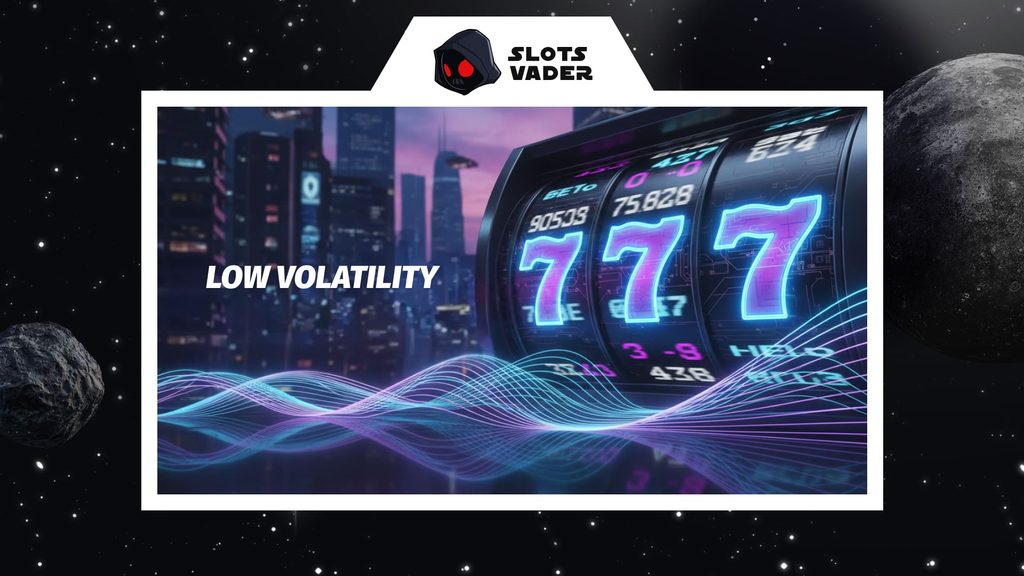
Low volatility slot machines are built for steadier sessions. You tend to see:
- More frequent hits,
- Fewer long dead stretches,
- Smaller average wins.
These games can be a solid pick if you’re learning a new title, working with a tight bankroll, or simply want the session to feel active. If your goal is “I want to play longer without my balance feeling like a cliff”, this category helps.
Medium Volatility
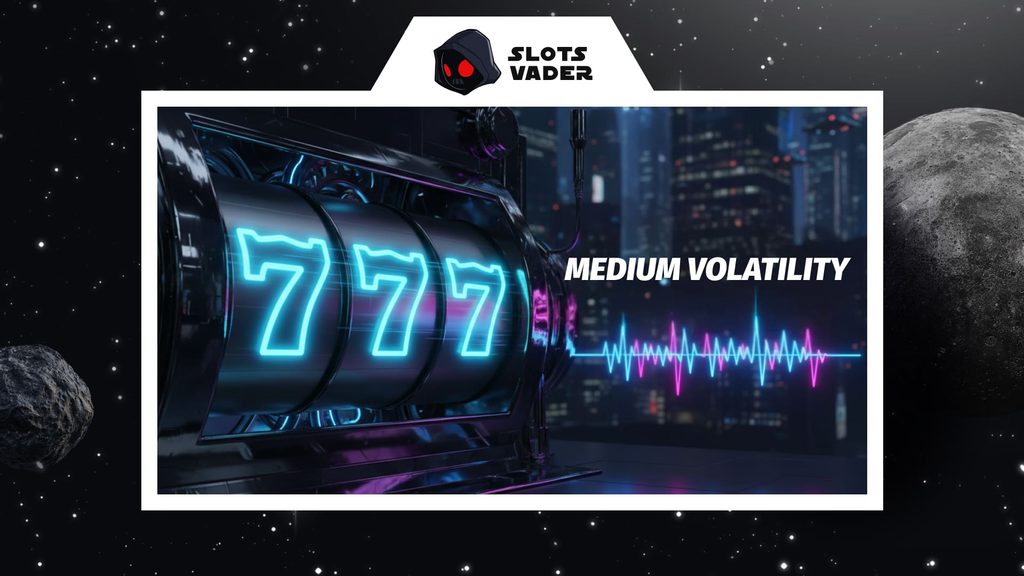
Medium volatility sits in the middle lane. You still get regular activity, but the game can also deliver bigger moments, often through features. If you don’t know your preference yet, medium is a safe starting point for most players at an online casino because it rarely feels extreme in either direction.
High Volatility
High volatility slot machines concentrate more of their value into fewer outcomes. That usually means:
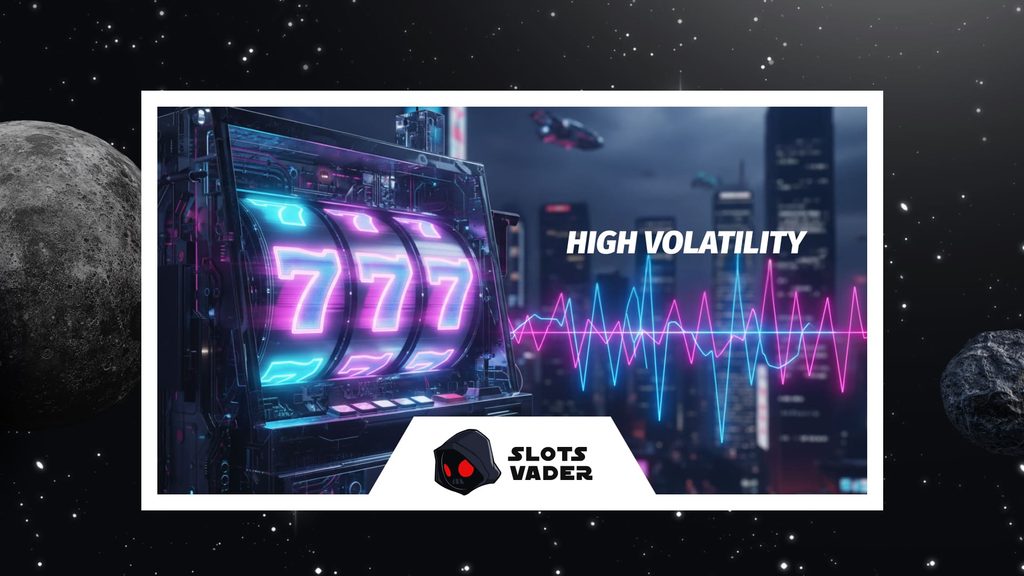
- Longer stretches of modest or no returns,
- Bigger swings up and down,
- A stronger reliance on bonus rounds for standout wins.
This style can be exciting, but it’s also where budgeting and stop points matter most. High volatility is a choice: you accept quieter stretches in exchange for the chance of a bigger hit.
A common question is, what does high and low volatility mean in slots when you’re choosing quickly? It means you’re deciding between stability and suspense.
How To Find The Volatility Of A Slot Machine
Some games tell you outright. Others make you guess. Either way, you can usually get a reliable sense with a few checks.

- Open the info panel / help screen. Many modern titles list volatility directly.
- Look at where the value seems to live. If most of the excitement is in rare features, volatility is often higher.
- Check the maximum win or “potential”. Very high maximums tend to correlate with higher volatility because the game needs room for rare spikes.
- Read feature rules, not hype. A long chain of multipliers, retriggers, or rare symbols usually signals bigger swings.
- Test with a small stake. A short sample won’t prove the long-run pattern, but it will reveal whether the rhythm feels comfortable.
If you’re playing online, demo mode is useful for learning triggers and pacing. Just remember: a demo session can feel different emotionally because no money is at risk, so treat it as a “rules and rhythm” test, not a performance guarantee.
How Volatility Affects Payouts And Win Frequency
Volatility shapes how wins arrive, and that changes how the session feels. In lower-volatility games, payouts tend to come in smaller, more regular pieces. In higher-volatility games, payouts can be rarer but more dramatic. This is why two games with the same long-run return can feel completely different across an hour:
- A steadier game might deliver lots of small payouts that keep you afloat, even if you end the session down.
- A swingier game might deliver very few payouts, then land one that resets the whole run.
If you’re trying to manage a bankroll, the key is not to ask “Will I win?” but “Can I handle the spacing?” Dry spells are part of the design. Planning for them is smarter than being surprised by them.
Also, remember that “hit frequency” and “volatility” are related but not identical. A game can hit often with tiny wins and still feel draining if those wins don’t cover much of your stake. That’s why reading the paytable and feature rules matters in any casino environment.
Slot Machine Volatility Vs Rtp
RTP (return to player) and volatility answer different questions.
- RTP tells you the theoretical long-run average return percentage.
- Volatility tells you how that return is distributed over time smoothly or in bursts.
Two slots can share similar RTP and still play like opposites. One can feel busy and steady, the other can feel quiet until a feature finally lands. This is why RTP alone isn’t enough when you choose a game at an online casino.
A simple way to remember it:
- RTP is the destination.
- Volatility is the route.
When you combine both, you make better choices. If you want a calmer experience, look for a reasonable RTP and a lower volatility label. If you want the thrill of bigger swings, look for higher volatility and set a bankroll that can survive the quiet parts.
Choosing The Right Volatility For Your Playing Style
Volatility becomes easy once you tie it to purpose. If you’re moving between games in the same casino lobby online, keep your goal in mind. Ask yourself what you want out of the next 30–60 minutes, then pick a game that supports that plan.
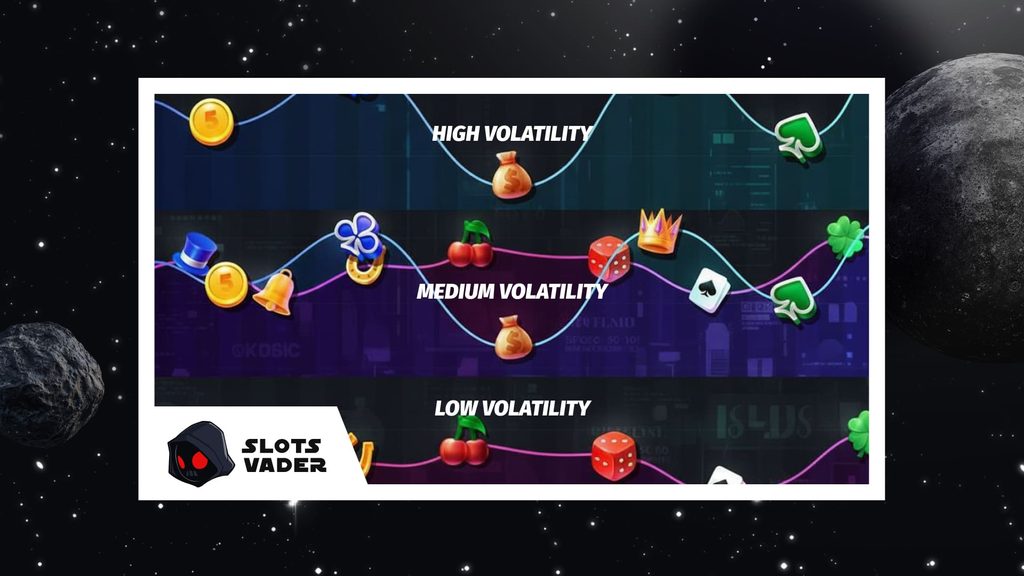
- If you want a long, low-stress session: start with lower volatility. You’ll usually get more feedback and fewer long silent stretches, which makes it easier to keep your stake consistent. This is a common approach for newcomers at a casino, because it reduces the “whiplash” feeling that can come from sudden balance drops.
- If you want to chase a peak moment: higher volatility can fit, but only if you treat the quiet parts as normal. The trick is to decide your stop point before you begin. A high-volatility title can feel amazing when a feature lands, but it can also feel expensive if you keep extending the session in search of that moment.
- If you’re undecided: medium volatility is a smart default. It often gives you enough action to stay engaged without forcing you into long droughts right away.
In the end, volatility is less about which game is best and more about which game feels right for the way you play. If the pace matches your patience and budget, you’ll make calmer decisions and that alone improves the whole session.
Bet Sizing: The Part Most People Skip
Volatility and bet size interact. The higher the volatility, the more important it is to keep each spin affordable relative to your budget. A simple guideline is to plan for a losing run that is longer than your “comfort guess”. If you think you can handle 20 quiet spins, plan for 40. If that sounds too much, lower the stake or switch to a steadier game.
Whether you play in a casino or online, this one habit keeps sessions from turning into a chase: treat your stake as a pacing tool, not a mood decision.
Common Myths That Make Volatility Confusing
Volatility is easy to misunderstand because short sessions feel personal. A few quiet stretches can look like a pattern, and a couple of quick wins can feel like proof. The myths below are the most common reasons players misread what the game is actually doing.
- Myth 1: “High volatility means higher return”. Not necessarily. Return is about RTP; volatility is about the distribution of results.
- Myth 2: “Frequent small wins mean the game is ‘hot.’” A low-volatility design can produce lots of small hits while still trending downward over time.
- Myth 3: “If I wait long enough, the big feature must arrive”. Randomness has no memory. Volatility explains patterns across huge samples, not guarantees within your session.
Keeping these myths in check is especially important when you’re browsing an online lobby, because switching games quickly can make normal variance feel like personal “bad luck”.
Conclusion
Volatility is the “personality” behind a slot’s math. Once you understand it, you stop blaming a normal dry stretch on bad design and you start choosing games that actually fit your session goal.
If you want steadier action, low volatility helps you keep the pace comfortable and reduces the shock of swings. If you want a shot at a highlight, higher volatility can be fun provided you plan for the gaps and keep your stake sensible.
So, are high volatility slots better? They’re better only for the player who enjoys suspense and can afford the variance. For everyone else, a steadier option may simply feel more enjoyable.
Whether you play in a physical casino or online from your couch, the smart move is the same: match volatility to your bankroll, your patience, and the kind of session you actually want.