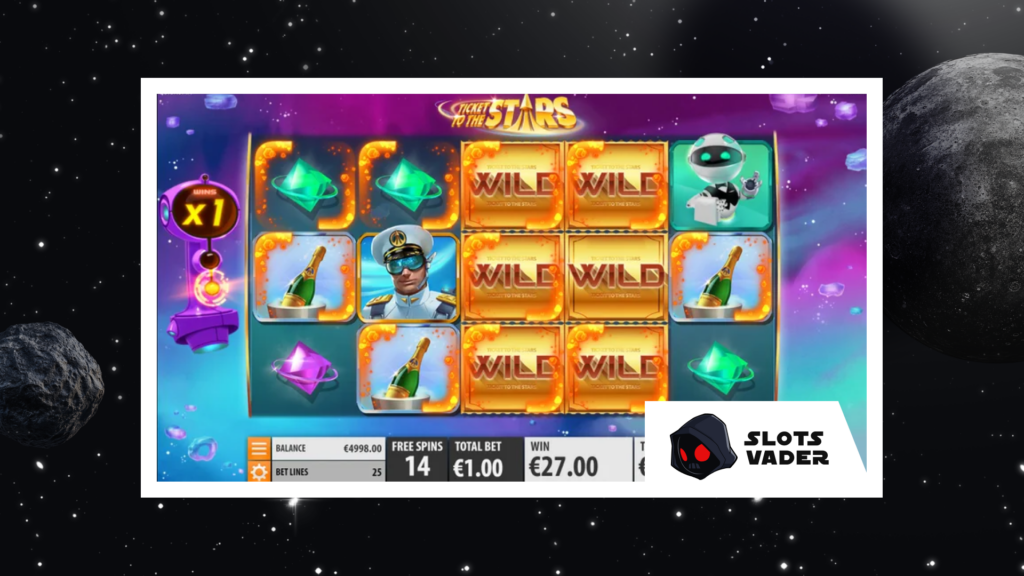


Check out what slots are available and choose your option
You want a clear map of the reel-game landscape delivered with zero fluff. The Slotsvader casino guide walks you through formats, features, and smart selection steps in plain language.
Players often ask about the types of online slots available. Below, we keep it practical: quick explanations, real examples, and how to choose what fits your rhythm.
Online vs Venue: what really changes
Under the hood, the math doesn’t change. RNG decides outcomes, paytables define awards, and clear rules keep everything transparent when presented well. Online, the library scales fast, updates land often, and fresh mechanics arrive in days not months. Data adds real value too: session stats, tailored recommendations, and easy spending controls make decisions clearer and more informed.
A venue brings ambience and service; an online account brings convenience, device sync, and robust safer-play tools. Your choice depends on goals: at-home sampling fits short breaks, while a trip bundles gaming with shows, dining, and social buzz. Whatever you pick, stick with a licensed casino—with clear rules and responsive support. Game feel also shifts between cabinet-first and phone-first titles as pace, layout, and presentation adapt to your screen.
Classic three-reel design
Classic games run on three reels, familiar fruit icons, and straightforward paytables. Clean visuals and a steady rhythm make them instantly readable, with hit rates often higher than feature-heavy video slots. Variance stays lower, and the learning curve is gentle for newcomers who want clarity before complexity.
If you favor compact screens and quick, focused sessions, Classic games fit neatly into your routine. They deliver short, satisfying cycles that feel consistent from spin to spin. For many players, predictability is the point: simple rules, quick outcomes, and no overload of features—pure casino comfort.
Progressive jackpots
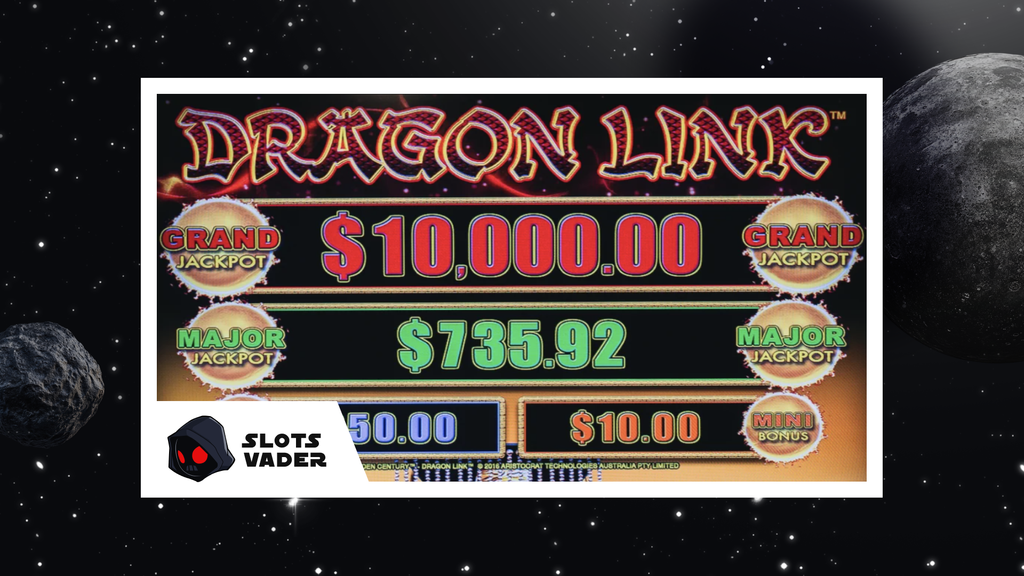
Progressive prizes grow with every eligible wager, feeding a shared pool that resets to a posted seed value after a win. You’ll see standalone, local, and wide-area networks, often with Mini, Minor, Major, and Grand ladders. Standalone grows on a single title, local links a property or small network, and wide-area spans multiple venues.
Triggers vary, some require specific symbol combos, others use mystery awards or “must-hit-by” ranges. Because a chunk of RTP lives in rare events, volatility climbs and sessions can swing. Prefer a flatter ride? Pick fixed-jackpot or base-game-centric titles instead, and always check the help file for exact conditions.

Lines and coverage
Early reel games played on a single horizontal line with no diagonals, no zigzags. Video math expanded coverage to 9, 20, 40+ lines and later to ways-to-win or cluster systems instead of fixed lines. In many lobbies you’ll see “multi line slots,” a shorthand for titles with broad payline coverage or adjustable numbers of active lines.
More lines raise hit frequency, not long-run return, so stake per spin scales with coverage. Some players love the constant motion and near-continuous small wins; others prefer leaner math that spaces out results. Match coverage to your budget and tolerance for dry spells rather than chasing line counts alone.
Mobile experiences
Handheld play now leads UI decisions, with designers optimizing for one-hand reach and tall aspect ratios. Portrait layouts keep controls within easy reach, while landscape mode favors cinematic bonuses and extended animations. Public play often mutes audio, so clear symbol language matters, and subtle haptics can mark wins or feature entries.
Make sure the account syncs progress across devices so you can pick up where you left off. Modern casino apps should restore sessions quickly after calls or messages and handle brief drops in connectivity. If a game feels cramped on your phone, try the tablet or desktop. The same slot can read very differently across screens.
Feature archetypes
Think in archetypes how value flows. Below are common blueprints and the pace each creates. Scan, then match your preferences to a casino format.
Straight multiplier games
Straight multiplier slots pay posted multiples on qualifying symbols, pushing most value through the base game, not a separate bonus state. Expect crisp paytables and predictable scaling with stake great for players who enjoy a calm, steady rhythm.
Bonus multiplier games
Bonus-multiplier math keeps the base game lean and channels most excitement into the bonus round. Triggers range from scatters to special symbols or fill-up meters; once inside, ladders, wheels, or free-spin progressions amplify wins for a short burst.
Combination games
Combination math blends frequent base-game hits with enhanced states; visible meters and persistent symbols keep engagement steady between bonuses. Ideal if you want bursts of intensity without sacrificing a reliable baseline.
Megaspin and multi-window
Megaspin setups place multiple reel sets on screen; a single spin can resolve several windows with linked wilds or synced reels. Multi-window formats often unlock extra sets during features when the screen comes alive without adding heavy rules.
Hold-and-respin and cash-on-reels
Hold-and-respin locks special icons and grants limited respins; each new icon resets the counter, awarding flat prizes or laddered amounts. Cash-on-reels assigns credit values to symbols; meet the trigger and you bank the sum shown often paired with progressives.
Ways-to-win and cluster pays
Ways math pays for any left-to-right match across adjacent reels. Advertised counts often read 243, 1024, or 4096 ways. Cluster pays swap lines for groups of touching symbols, both horizontal and vertical. Cascades can clear matched groups and refill the grid.
Feature buy and volatility choice
Where permitted, some titles offer a feature buy, pay a posted price and jump straight into the bonus. Many games also let you pick volatility safer free spins with lower multipliers or riskier ones with higher multipliers and fewer starts. Availability varies by region online and on-property.
Math and disclosure basics
A random number generator (RNG) selects numbers many times per second and maps them to reel stops, producing the next spin’s result. Each spin is independent; you can’t “time” outcomes and paytables define how symbols convert into awards. Clear rules and published help files keep the process transparent and fair across digital slot games and venue cabinets.

RTP (return to player) is a long-horizon expectation, often shown as a range, not a promise for your next session. Short runs swing both ways, so budgets must accept variance. Volatility describes that swing: high means fewer hits with bigger peaks, low means frequent smaller wins. Neither model is “better”; choose what fits your pace and bankroll.
Hit rate shows how often any win lands some games publish a number, others use tags like low/medium/high. A quick demo helps you feel rhythm and streaks. Expect design touches such as stacked symbols, expanding wilds, or reel weighting that change pace and presentation without compromising fairness. Quality lobbies document paytables, bonus triggers, and meter behavior with simple diagrams you can scan fast.
Bankroll and session planning
Set a session budget before you play and translate it into a maximum number of spins at your usual stake. Test denominations to see how coin value shifts minimum bets and pacing, and remember that line coverage or ways/cluster formats also scale stake per spin. Pick settings that match your risk comfort rather than chasing bigger numbers.
Judge results over many sessions not a handful of spins. A longer view tells the real story, not a lucky (or unlucky) streak. Use the built-in tools deposit caps, reality checks, time limits, cool-downs to keep play in check. When the budget is done or your focus dips, stop and come back later. Rotate a few favorite slots so sessions stay fresh and intentional.
How to choose a title in a crowded lobby
Use a short checklist when sampling new casino games. A simple framework removes guesswork.
- Mechanics fit. Decide whether you prefer single-line simplicity, high-line coverage, or alternatives such as ways-to-win or clusters.
- Feature profile. Decide whether you want progressives, meters, or collection mechanics.
- Volatility. Look for any disclosure from the maker and try a demo to judge hit rate.
- User experience. Check readability on your device and the smoothness of animations.
- Limits and tools. Favor environments with clear spend controls and transparent rules.
Run a quick demo, then judge pace and clarity. Keep notes on what you enjoy. Rotate several favorites so sessions stay fresh.
The label many people search for
No single label fits the whole scene, so use a simple map: classics (three reels, no fuss), video titles (features and bonus rounds), progressives (a growing prize pool), and grid/cluster formats (matches in groups). Pick the lane matching your time window: ten quick spins on a phone favor classics or straightforward ways-to-win; an unhurried evening suits free-spin ladders, hold-and-respin, or multi-window play.
Then match the choice to budget and device. If long dry spells drain the fun, stick to lower volatility with frequent small wins; if you enjoy tension, go higher variance or chase progressives. Treat theme and artwork as the last step once the math fits, the rest is just flavor. Still unsure? Run a short demo and let the pace, not the promo copy, make the call.
Where games are offered
Availability depends on local law and certification, and independent testing labs review math and payout procedures before launch. A licensed casino publishes regulator details and approved testing partners, usually in the footer. You’ll often find license numbers and jurisdiction badges alongside responsible-gaming links.
Audit logs track every spin across web and floor play, creating data for fair-play reviews and dispute resolution. Reputable operators segregate player funds from operating cash and state it clearly. Strong support channels and a visible escalation path ideally 24/7 chat signal a stable environment for online slots.
Operator due diligence and player protection
Before you deposit, open the Payments/Withdrawals page and check what applies to you: supported payout methods, fees, minimums/maximums, and how timelines are measured (from request or from approval). See when KYC kicks in and which documents they accept, plus how you upload them. If the info is buried or vague, consider it a warning sign.
Bonuses should show game weighting and wagering in plain numbers. Max bet during wagering $5, excluded titles listed. If you can’t find these lines in two clicks or support can’t answer in one message treat it as a red flag.
Look for named contacts or an escalation path within support, plus independent lab certificates confirming the version tested. If an offer looks too good, ask for conditions in simple words: heavy strings rarely suit careful players. Choosing clarity over noise is the best protection you have.
Practical advantages of remote play
One account gives access to a huge online casino lobby, and new titles arrive without a trip. Personalization improves over time because session history lives online, so recommendations reflect your pattern. Over time the lobby learns your tastes, so you spend less time scrolling and more time on formats you actually enjoy.
Limits, reality checks, and cool-downs are usually a couple of taps away, and gentle alerts can nudge you to take a breather. KYC and document checks run in-app now, which makes verification feel quicker and puts more of the online casino routine under your control. Document checks move online too, making verification feel faster as digital flows replace counter steps. For many players, the mix of control and convenience defines modern casino play.

Applying the concepts: a short workflow
Try a structured test when you explore a new game. The goal is a calm, repeatable process for control of spending.
- Open the paytable and read how the base game pays.
- Spin a small number of trial wagers. Note the rhythm and the speed of the reels.
- If the title shows a progressive ladder, decide whether higher variance suits you. If not, choose games focused on base play.
- Adjust denomination and line settings to see how pacing changes.
- Stop when the budget runs out or when attention fades.
If engagement fades, switch to a different theme or feature set. Over time you will build a small library of favorites.
FAQ
Are demos useful?
Yes. Short trials show cadence, bonus entry rates, and symbol readability. Use them to compare titles without risk.
Do higher denominations change odds?
Denomination changes affect stake and sometimes reel weighting or available jackpots. Core math often remains similar across coin levels.
Is there a universal best game?
No. Preference and tolerance for variance dominate the choice. Pick slot games aligned with your pace and comfort with dry spells.
Quick checklist before you play
Before a session, run through a short checklist. Keep notes on each new game.
- Read the paytable for the slots you plan to try.
- Confirm the license and contact options for your chosen venue.
- Try a demo to compare volatility across similar themes.
- Start with small wagers while you learn how the slots animate.
- Set a stop-loss level and a cool-down timer.
- Favor clear rules and visible contribution rates for any jackpots.
- Keep sessions short and take breaks between segments.
A few minutes of prep can save money and reduce stress. Good planning leads to calmer play.
Final thoughts
The market contains a wide range of formats, from three-reel classics to grid-based games with cascades and ladders. The right pick depends on rhythm, risk comfort, and presentation.
Learn the structure of a game, set a firm budget, and match features to mood and time. With such an approach, any new release becomes easier to read and enjoy.